
Comprehensive Care at Your Local Small Animal Clinic: Battling Giardiasis
As the warmth of spring embraces us, not just humans and their furry companions are drawn to the outdoors, but parasites find this season ideal for emerging, too. Recent observations from small animal clinics indicate a surge in Giardiasis among pets this season. Notably, there's been an unusual rise in cases among cats, where it's typically less common, showcasing the cunning adaptability of the Giardia protozoa.
Giardiasis: A Seasonal Concern for Pet Owners
With the advent of spring, Giardiasis, caused by the protozoan parasite Giardia, has become a prevalent issue. Manifesting through symptoms like diarrhea and occasionally vomiting, it significantly disrupts our pets' health. An interesting trend has been the increased incidence in cats, as reported by small animal clinics, deviating from the common host, dogs. This pattern stresses the need for pet owners to remain alert to their pets' health, especially during outdoor activities.
The Diagnostic Importance of Fecal Tests
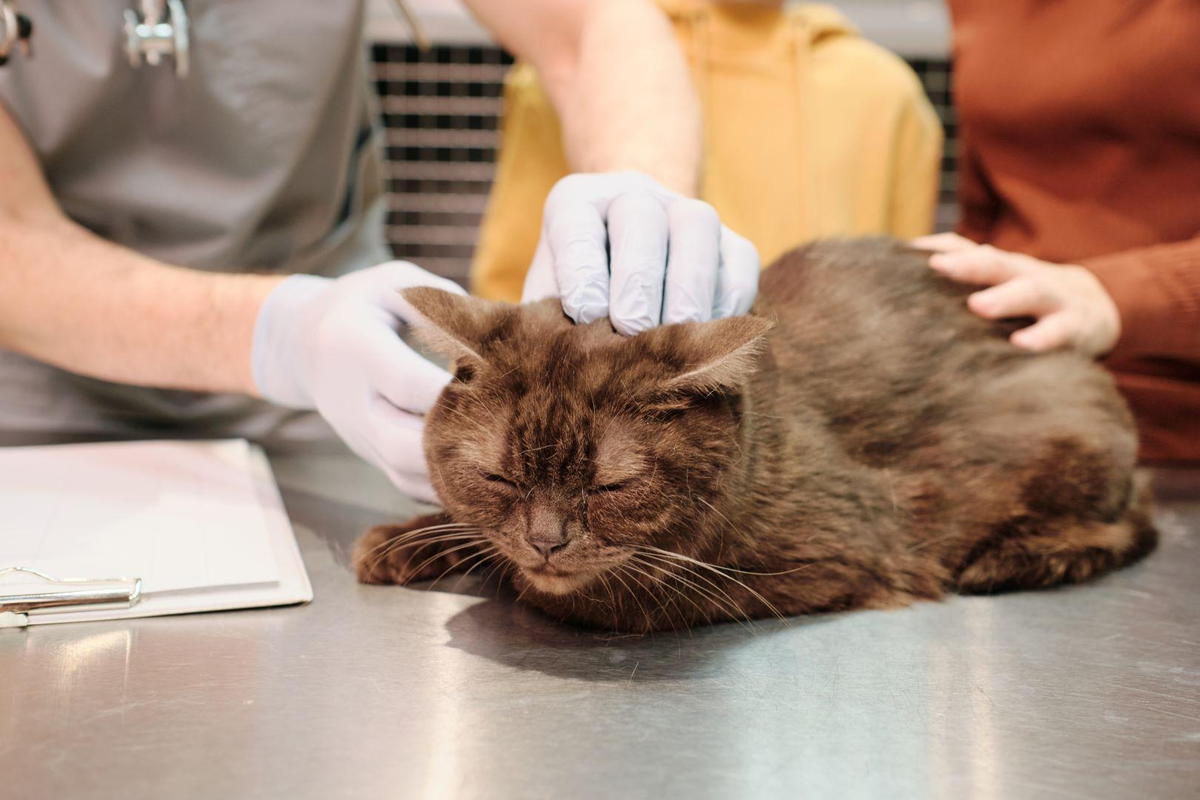
The rise in Giardiasis underscores the importance of fecal tests for accurate diagnosis. Presenting symptoms like diarrhea could point towards Giardia as a culprit. Small animal clinics highlight fecal tests' role in not only pinpointing Giardiasis but also detecting other parasitic infections, paving the way for precise treatments.
Giardiasis Treatment and Control
Diagnosing Giardiasis leads to treatments involving antiparasitic medication aimed at eliminating Giardia from the pet's system. Small animal clinics also might suggest probiotics to restore intestinal balance and hydration therapy for pets affected by vomiting or severe diarrhea.
For in-depth treatment and control strategies against Giardiasis, these clinics provide essential resources and guidance on medication adherence, home care, and preventive measures to forestall reinfection.
The Human Connection: Giardiasis Transmission
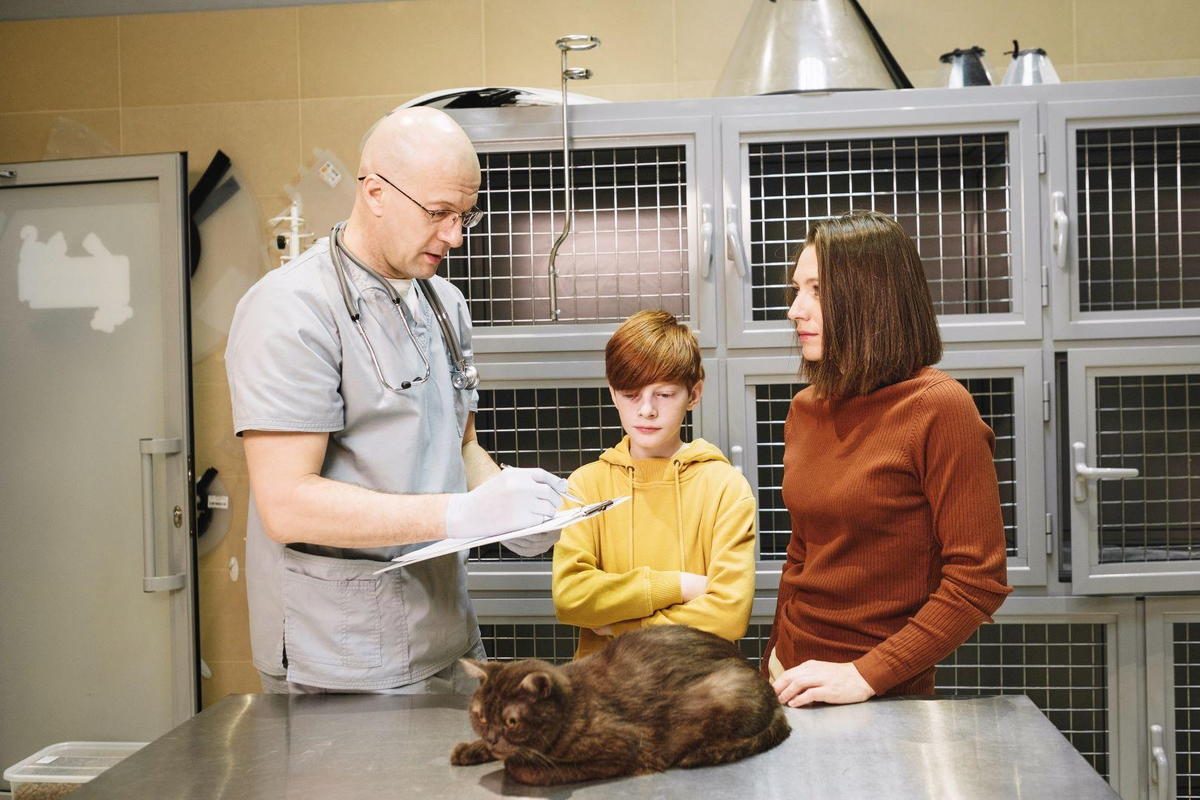
A critical aspect of Giardiasis is its zoonotic capability, allowing transmission from pets to humans through contact with contaminated feces or environments. This risk underscores the importance of hygiene and sanitation practices, areas where small animal clinics offer invaluable education to safeguard both pets and their human families.
Seasonal Vigilance and Preventive Measures
The enjoyment of spring's outdoor offerings comes with the responsibility of protecting pets against parasites like Giardia. Small animal clinics advocate for preventive strategies, including regular fecal exams, clean water access, and environmental cleanliness, to mitigate Giardiasis risks.
Conclusion: Your Ally in Pet Health
The spike in Giardiasis cases, especially in cats this spring, reminds us of the continuous threat parasites pose. Small animal clinics are essential allies in diagnosing, treating, and preventing Giardiasis, ensuring our pets remain vital and joyous. As we embrace the warmer months, let's collaborate to shield our pets from Giardiasis and other parasitic dangers.
Safeguard your pet against Giardiasis this spring. Schedule a visit to your local small animal clinic for a comprehensive fecal examination and expert preventive advice.
Have questions or concerns about your pet's health? Our Main Street Animal Hospital team is here to provide the care and answers you need. Contact us today to ensure your pet's well-being.
Explore our blog for the latest in pet health and wellness. Read more and keep your furry friend happy and healthy.