
Essential Medical Care for Your Pets
Providing essential medical care for your pets is crucial for their health and longevity. Regular checkups, vaccinations, and proper post-surgical care are all vital components of comprehensive pet healthcare. This guide will cover the basics of medical care for your pets, helping you keep them healthy and happy.
Routine Veterinary Checkups
Routine veterinary checkups are the foundation of your pet's medical care. These visits help monitor your pet's overall health, detect any early signs of illness, and provide preventive care. Annual checkups for dogs and cats are especially important, as they allow your vet to perform a comprehensive examination and address any health issues that may arise as your pet ages.
Benefits of Regular Checkups
Early Detection of Health Issues: Routine exams can identify health problems before they become severe. Blood testing during these checkups helps monitor your pet's internal health, identifying potential conditions like liver or kidney issues early on.
Preventive Care: Vaccinations, flea and tick prevention, and dental cleanings are part of routine care.
Health Monitoring: Annual blood work, in addition to regular checkups, provides a complete picture of your pet's health, allowing your vet to establish baseline values and catch any irregularities.
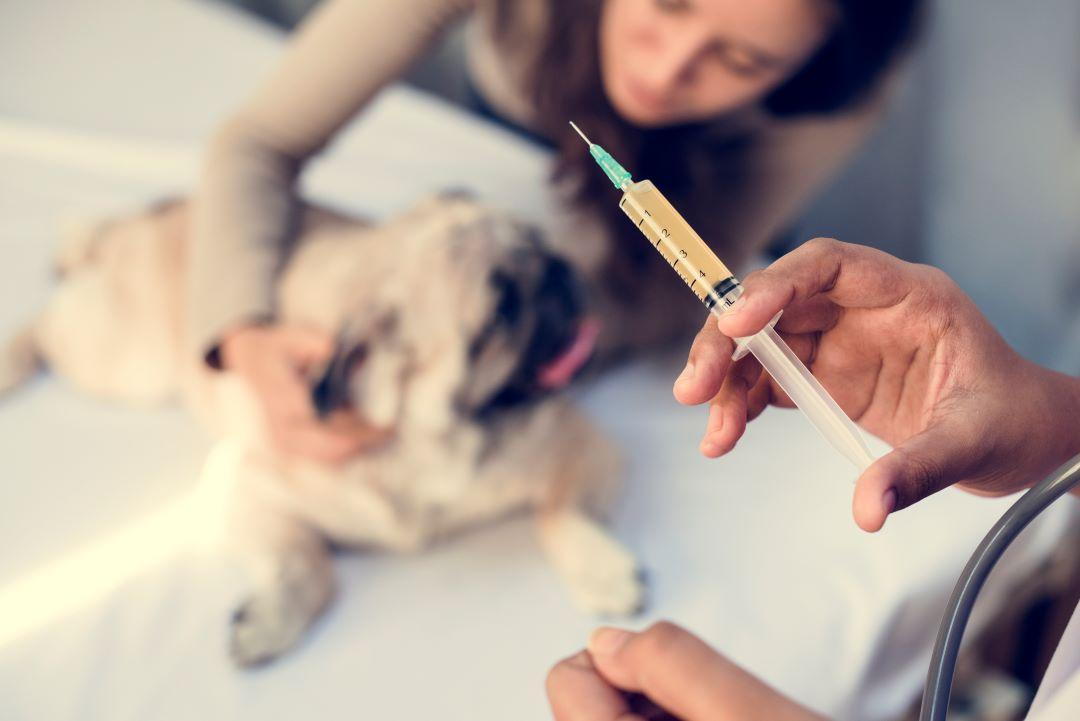
Importance of Annual Check-Ups
Annual check-ups are essential for both dogs and cats, allowing your veterinarian to perform comprehensive health assessments. These visits can help detect issues such as obesity, dental problems, and more serious conditions like heart disease at an early stage.
Essential Vaccinations
Vaccinations are a critical component of preventive medical care for your pets. They protect against common and serious diseases, ensuring your pet stays healthy.
Common Vaccinations
Dogs: Rabies, distemper, parvovirus, and kennel cough.
Cats: Rabies, feline leukemia, and calicivirus.
Consult your veterinarian to determine the appropriate vaccination schedule for your pet.
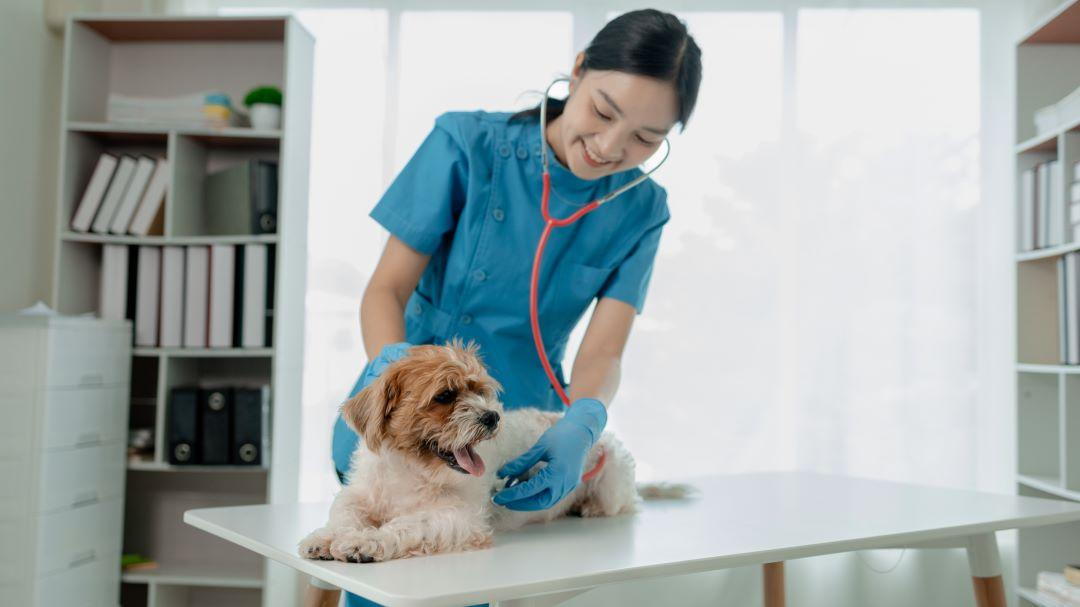
The Role of Blood Testing
Blood testing is an important part of annual check-ups. It provides valuable insights into your pet’s health, helping to screen for diseases and monitor organ function. Early detection through blood tests can lead to more effective treatment plans, ensuring your pet enjoys a longer, healthier life.
Importance of Surgical Care
Sometimes, surgical care becomes necessary to treat injuries or health conditions. Surgical procedures can range from routine spaying and neutering to more complex surgeries like tumor removal.
Types of Common Surgeries
Spaying and Neutering: Helps control the pet population and prevents certain health issues.
Dental Surgery: Addresses severe dental problems that affect your pet's health.
Emergency Surgery: Required for urgent issues such as accidents or severe illnesses.
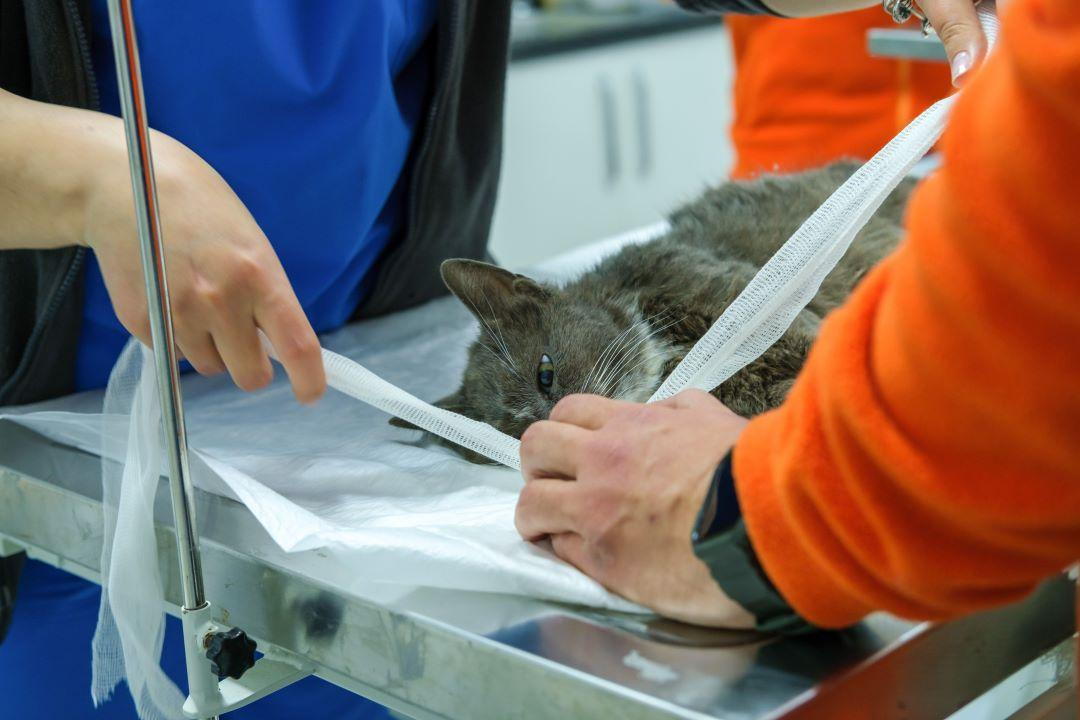
Preparing Your Pet for Surgery
Preparation is key to ensuring a smooth surgical experience for your pet. Follow these steps to help your pet feel comfortable and safe:
Pre-Surgical Checkup: Ensure your pet is in good health before the procedure.
Fasting: Follow your vet's instructions on when to withhold food and water.
Comfort Items: Bring a favorite toy or blanket to help your pet feel more at ease.
Post-Surgical Care Tips
After surgery, proper care is crucial for your pet's recovery. Follow these tips to ensure a smooth healing process:
Follow Vet's Instructions: Adhere to all post-operative care guidelines provided by your veterinarian.
Monitor for Complications: Keep an eye on the surgical site for signs of infection or complications.
Provide Comfort: Ensure your pet has a comfortable and quiet place to rest during recovery.
Summary of Essential Medical Care
Providing essential medical care for your pets is vital for their overall health and well-being. Regular checkups, vaccinations, and timely surgical interventions help ensure your pets lead happy, healthy lives.
Schedule Your Pet's Next Appointment
Ensure your pet receives the best medical care. Contact our veterinary clinic today to schedule an appointment or learn more about our services. Visit our Main Street Animal Hospital blog page for more expert tips and advice on pet health.