
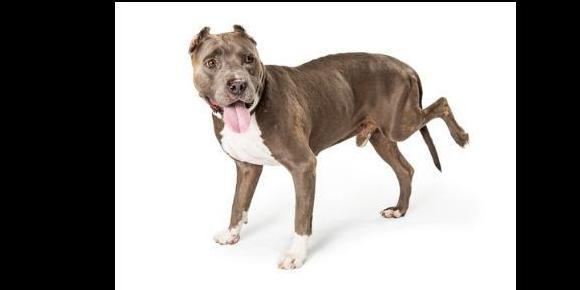
Understanding Cruciate Ligament Rupture in Pets
Cruciate ligament rupture is a common and painful injury in pets that affects the stability of the knee joint, often causing limping, pain, and limited mobility. This condition primarily affects dogs but can also occur in cats. Recognizing the signs early and seeking proper diagnosis and treatment can help your pet regain comfort and return to their active lifestyle.
What Is Cruciate Ligament Rupture?
The cruciate ligaments are two strong bands of tissue inside your pet’s knee joint that keep it stable during movement. The cranial cruciate ligament (CCL) is the most commonly injured ligament in pets. When this ligament ruptures or tears—either suddenly or gradually—it causes instability, leading to pain, swelling, and difficulty bearing weight on the affected leg. This injury is similar to an ACL tear in humans and is one of the leading causes of hind limb lameness in dogs.
Causes of Cruciate Ligament Rupture
Cruciate ligament rupture can happen due to several reasons:
Sudden Injury: Trauma from jumping, twisting, or accidents can cause the ligament to tear.
Chronic Wear: Over time, the ligament can weaken from repetitive stress or degeneration, especially in older pets.
Obesity: Excess weight adds stress on the knees, increasing risk.
Breed and Conformation: Certain breeds and structural issues make pets more prone to ligament injuries.
Understanding the cause helps vets recommend the best treatment plan.
Signs of Cruciate Ligament Rupture in Pets
Pets with a cruciate ligament rupture typically show signs such as:
Signs of Cruciate Ligament Rupture in Pets
Pets with a cruciate ligament rupture typically show signs such as:
Limping or refusing to put weight on one hind leg
Swelling around the knee joint
Difficulty jumping, running, or climbing stairs
Stiffness after resting or inactivity
Behavioral changes like reduced playfulness or hiding pain
If your pet shows any of these signs, it’s essential to seek veterinary care promptly.

How Do Vets Diagnose Cruciate Ligament Rupture?
Veterinarians use physical exams to test for joint instability by performing maneuvers like the “drawer sign,” where the vet gently moves the tibia forward to check for abnormal motion. X-rays help rule out fractures and assess any joint damage or arthritis. In complicated cases, advanced imaging techniques like MRI may be used, although this is less common in pets.
Early and accurate diagnosis is key to preventing further damage and managing pain effectively.

Treatment Options for Cruciate Ligament Rupture
Treatment depends on your pet’s size, age, activity level, and the severity of the rupture.
Non-Surgical Treatment
Small or less active pets with partial ligament tears may benefit from rest, anti-inflammatory medications, weight management, and controlled physical therapy. This conservative approach can alleviate pain but may not fully restore joint stability.
Surgical Treatment
For most active or larger pets, surgery is the recommended option to restore knee stability and function. Standard surgical techniques include:
TPLO (Tibial Plateau Leveling Osteotomy): Changes the knee’s angle to improve stability
TTA (Tibial Tuberosity Advancement): Adjusts bone position to reduce ligament stress
Extracapsular Repair: Uses sutures to mimic ligament function externally
Surgery improves long-term outcomes and reduces the risk of arthritis.
Recovery and Long-Term Care
After surgery or non-surgical treatment, your pet will require a recovery period with restricted activity and physical therapy to regain strength and mobility. Weight management and avoiding high-impact activities will support healing and prevent future injuries. Regular veterinary follow-ups monitor progress and adjust care as needed.
Why Early Attention to Cruciate Ligament Rupture Is Important
Delaying diagnosis or treatment can lead to chronic pain, worsening joint damage, and arthritis, severely affecting your pet’s quality of life. Early veterinary intervention helps reduce discomfort and improves your pet’s chances of returning to normal activity faster.
Learn More and Help Your Pet Today
If your pet shows signs of cruciate ligament rupture, don’t wait. Contact us for a professional examination and personalized treatment plan. For additional pet health resources, visit our Main Street Animal Hospital blog page.